End‑of‑Life Audiology Equipment: What Clinics Must Know

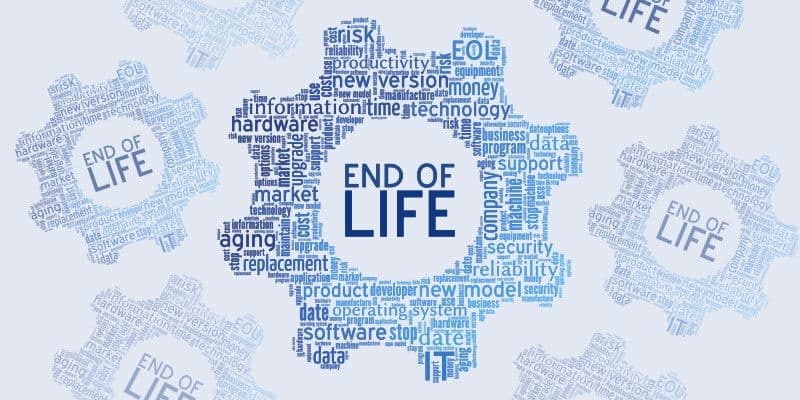
end of life text in cog shapes

Audiology diagnostic and screening devices are built for durability, but every instrument eventually reaches the end of its service life. When that happens, clinics face important decisions that affect patient care, workflow reliability, and operational continuity. Understanding the implications of end‑of‑life (EOL) status helps clinicians plan ahead and maintain a stable, safe clinical environment.

This guide explains:

  • Explains what “End of Life” (EOL) status means for audiology equipment.
  • Details the risks associated with using discontinued or unsupported devices.
  • Lists recently retired audiology instruments that clinics should be aware of.
  • Describes planning strategies and upgrade options, including how Oticon BES+ points can help reduce replacement costs.

What “End of Life” Means for Audiology Equipment

End of Life indicates that a manufacturer no longer provides one or more of the following:

  • Replacement parts
  • Firmware or software updates
  • Calibration support
  • Technical service or repair expertise
  • Continued development or compatibility enhancements

Manufacturers such as GSI, Interacoustics, Audioscan, and MAICO are known for long‑lasting instrumentation. However, even the most reliable devices eventually reach a stage where safe and consistent operation cannot be fully guaranteed.

Recently Retired Audiology Diagnostic Devices

The following instruments have recently reached End of Life or been discontinued. Clinics using these models should begin planning for replacement to ensure continuity of care.

  • Audioscan Verifit 1
  • Benson NEXT audiometer
  • Bio-logic ABaer, AuDX, Scout Sport
  • GSI 60, GSI 61, GSI 70
  • GSI Tympstar
  • GSI AUDIOScreener+ ABR & OAE
  • GSI Audera
  • Interacoustics AD229
  • Interacoustics AC40
  • MAICO MA40
  • MAICO easyTymp Pro
  • MAICO ERO SCAN Pro
  • Otometrics AS4000
  • Vivosonic V500
  • Welch Allyn MicroTymp
  • Welch Allyn SP 2
  • Welch Allyn Spot Vital Signs LXi
  • Welch Allyn 29400 Series OAE

If your clinic relies on any of these instruments, proactive planning will help avoid unexpected operational interruptions.

Risks of Using End‑of‑Life Diagnostic Equipment

Reduced Reliability and Increased Downtime

As components age, devices may exhibit intermittent failures or unstable performance. Unplanned downtime can disrupt clinic schedules, extend wait times, and delay diagnostic decisions.

Limited Access to Parts and Repairs

Once parts become unavailable, routine maintenance becomes more difficult. A single component failure may render a device unusable.

Technology Obsolescence

Older systems may lack modern test modules, automation features, EMR connectivity, or workflow tools that support today’s clinical and documentation requirements.

Potential Impact on Test Accuracy

While clinicians may compensate for older interfaces or controls, variations introduced by aging hardware can compromise consistency and the reliability of diagnostic results.

Compliance and Accreditation Considerations

Clinics committed to best practices, accreditation standards, and consistent calibration intervals may face increased risk when relying on unsupported devices.

How to Plan for Diagnostic Equipment Retirement

Your e3 Diagnostics representative can help you evaluate your current EOL device and recommend an appropriate replacement based on your clinic’s testing needs, workflow, and long‑term goals. Key planning steps include:

Assess Patient and Service Requirements

  • Identify the types of assessments you perform most frequently
  • Determine which features are essential for accurate, consistent patient care

Evaluate Workflow and Feature Needs

  • Consider whether automated protocols, expanded test modules, or EMR‑ready integrations could streamline daily tasks
  • Identify opportunities to reduce manual steps or simplify documentation

Plan for Budget Cycles

  • Align replacements with annual budgeting to avoid reactive purchasing
  • Reduce disruptions by planning before equipment failure occurs

Consider Financing

  • Many clinics use financing to spread costs over time
  • e3 Diagnostics offers flexible payment options to support timely upgrades
  • Your representative can guide you through available plans and help you select the right replacement system for your clinic.

Learn About Financing

Take Advantage of Section 179

  • Clinics may be able to use Section 179 tax deductions to reduce taxable costs when purchasing qualifying diagnostic equipment.
  • This deduction can help offset the investment required to replace end‑of‑life devices.
  • Benefits depend on your clinic’s financial situation and annual purchasing plans.
  • Your tax professional can confirm eligibility and how Section 179 may apply to your equipment upgrade.

Learn More About Section 179

Using Oticon BES+ Points Toward Equipment Upgrades

Clinics participating in the Oticon BES+ program can apply accumulated points toward the purchase of diagnostic instruments available through e3 Diagnostics. This can reduce the financial impact of upgrading from EOL devices and help clinics transition to modern systems without delaying care.

If you are unsure how many BES+ points your clinic has or how they can be applied, your e3 Diagnostics representative can walk you through the process.
Not a member of BES+ yet? Sign up now.

How e3 Diagnostics Supports Clinics Through EOL Transitions

e3 Diagnostics offers end‑to‑end guidance when replacing aging or discontinued equipment:

  • Local, in‑person product demonstrations
  • Assistance comparing models across leading brands
  • Training and onboarding for clinicians and staff
  • Ongoing technical support and calibration services
  • Objective recommendations aligned with clinical best practices

Many members of the e3 Diagnostics sales and support team are Doctors of Audiology who understand the clinical decision-making process and the pressures of daily patient care. Their goal is to help you maintain continuity, reliability, and confidence in your diagnostic environment.

Next Steps

If your clinic is using any devices listed in the EOL section or if you’re uncertain about the current support status of your equipment, reach out to your local e3 Diagnostics representative. They can help you:

  • Confirm EOL status
  • Review appropriate replacement options
  • Estimate upgrade timing and budget
  • Explore Oticon BES+ point usage
  • Arrange demos or quotes

Proactive planning helps maintain the quality of care your patients rely on.

Other Good Reads: Affordable & Flexible Diagnostic Equipment Financing