BPPV Treatment: The TRV Advantage

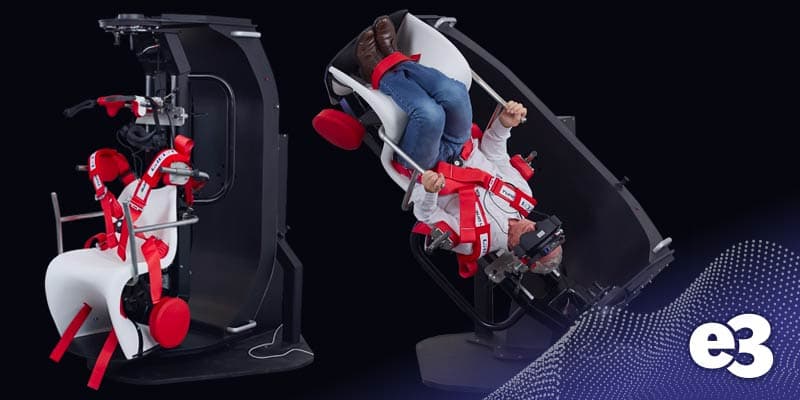
woman being tilted in TRV chair

Benign paroxysmal positional vertigo (BPPV) is the most common cause of otogenic vertigo and one of the most common reasons patients seek care for dizziness. While many cases can be treated with conventional methods such as the Dix Hallpike maneuver and bedside repositioning, certain patients, including those with limited mobility, neck issues, or refractory BPPV, can benefit from more advanced approaches.

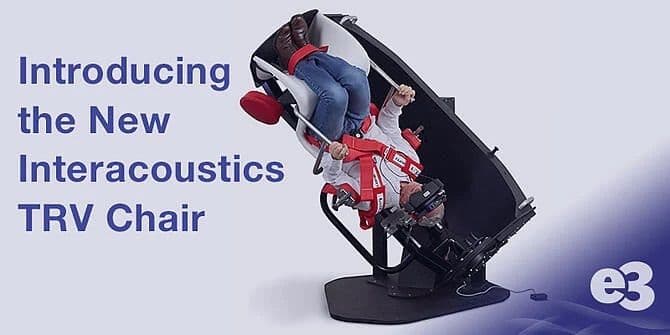
The Interacoustics TRV Chair offers an innovative solution. Designed to support both audiologists and physical therapists, this 360-degree rotational chair improves accuracy, comfort, and treatment success across all types of BPPV.

This blog explores how the TRV Chair works and the practical advantages it brings to clinical practice.

Interacoustics TRV Chair Advantages

Hear from Dr. Alaina Bassett, AuD., PhD., Assistant Professor at California State University, Los Angeles about her experience with the TRV chair.

What Is the TRV Chair?

The TRV Chair is a fully rotational diagnostic and treatment device designed to assess and manage BPPV across all semicircular canals. It allows clinicians to position patients in the precise plane of each semicircular canal, supporting both diagnostic positional testing and treatment maneuvers.

Because the chair can rotate the patient 360 degrees in any canal plane, it expands what’s possible in BPPV care, especially for complex or hard-to-treat cases.

Key Advantages of the TRV Chair

The TRV Chair offers several clinical and patient-focused benefits that set it apart from traditional bedside techniques.

xtrvadvantages-susan.jpg

1. Treats All Types of BPPV

One of the most important advantages of the TRV Chair is its ability to treat all types of BPPV. With 360-degree movement in all semicircular canal planes and the ability to monitor patient eye movements throughout the procedure, the chair ensures that any form of canal involvement can be effectively addressed.

This makes it especially valuable for complex presentations that may not respond to standard maneuvers.

Do you want to learn more about the TRV Chair?

2. Enhanced Patient Safety and Comfort

Patient safety is built into the design of the TRV Chair. Patients are secured by a four point harness during treatment maneuvers, helping them feel stable, supported, and confident throughout the procedure.

This is particularly beneficial for:

  • Patients with limited mobility
  • Patients with neck issues or back issues
  • Frail or disabled patients
  • Patients who cannot tolerate traditional bedside positioning

Where conventional methods may pose challenges, the TRV Chair provides a safer, more accessible option for these patients.

3. Real-Time Precision and Customization

The TRV Chair gives clinicians the ability to make real-time manual adjustments during diagnosis and treatment. This allows for individualized care based on the patient’s response, rather than relying on fixed positions.

Research by West et al. (2019) reports significant improvement in patients with refractory BPPV after treatment in the TRV Chair, highlighting how real-time precision can enhance both clinical outcomes and patient satisfaction.

4. Potentiated Impact Treatments

The TRV Chair also introduces optional potentiated “impact” treatment procedures, which use controlled decelerations as liberatory forces during BPPV maneuvers. This approach harnesses kinetic energy to support a more natural and effective dislodging of otoconia.

According to Richard-Vitton et al. (2016), these decelerations aid in moving particles through the semicircular canal, supporting debris migration during treatment.

This technique has proven especially helpful in challenging cases such as:

  • Cupulolithiasis horizontal canal BPPV
  • Refractory BPPV that does not respond to standard maneuvers

Why the TRV Chair Matters for Audiologists and Physical Therapists

Both audiologists and physical therapists play important roles in diagnosing and treating BPPV. As more patients seek effective vestibular care, clinicians need tools that allow them to:

  • Accurately diagnose canal involvement
  • Treat all types of BPPV in a single setting
  • Safely manage complex or mobility-limited patients
  • Improve outcomes for refractory cases

The TRV Chair supports each of these goals, helping clinics expand their capabilities and deliver more effective care.

Frequently Asked Questions About the TRV Chair

What is the TRV Chair used for?

The TRV Chair is used for diagnosing and treating BPPV across all semicircular canals. It supports both positional testing and advanced treatment maneuvers.

Who benefits most from TRV Chair treatment?

Patients with refractory BPPV, complex canal involvement, limited mobility, neck issues, or those who cannot tolerate traditional bedside maneuvers often benefit most.

How is the TRV Chair different from traditional BPPV treatment?

Unlike bedside techniques, the TRV Chair allows 360-degree rotation in any canal plane, secures patients with a four point harness, and supports real-time precision adjustments. It can also deliver potentiated impact treatments that are not possible with manual maneuvers.

Is the TRV Chair safe?

Yes. With its harness system and controlled movement, the TRV Chair provides a stable, secure environment for patients during diagnosis and treatment.

A Transformative Tool for BPPV Care

The Interacoustics TRV Chair stands at the forefront of modern BPPV diagnostics and treatment. By combining safety, precision, and advanced treatment options, it empowers clinicians to deliver better outcomes for patients of all needs.

As more healthcare professionals adopt the TRV Chair, it continues to expand what’s possible in vestibular care.

Learn More About the TRV Chair

Explore the Interacoustics TRV Chair

Other Good Reads: BPPV and the TRV Chair

References
Richard-Vitton T, Petrak M, Beck DL (2013). The TRV chair: introductory concepts. Hearing Review 20(12), 52-54.
West N, Hansen S, Moller MN, Bloch SL, Klokker M (2019). Reposition chair treatment improves subjective outcomes in refractory benign paroxysmal positional vertigo. J Int Adv Otol 15(1), 146-150.
West N, Hansen S, Moller MN, Bloch SL, Klokker M (2016). Repositioning chairs in benign paroxysmal positional vertigo: implications and clinical outcome. Eur Arch Otorhinolaryngol 273(3), 573-580.