5 Benefits of Vestibular Therapy in Physical Therapy

Lady balancing on medicine ball

What Is Vestibular Therapy?

Vestibular therapy, also known as vestibular rehabilitation therapy (VRT), is a specialized form of physical therapy designed to treat dizziness, vertigo, and balance problems caused by inner ear or central nervous system disorders. The goal is to retrain the brain to interpret signals from the eyes, muscles, and vestibular system to restore balance and stability.

This type of therapy benefits patients experiencing Benign Paroxysmal Positional Vertigo (BPPV), vestibular neuritis, Meniere’s disease, concussions, and post-stroke imbalance. Through personalized exercises, patients strengthen their coordination, reduce dizziness, and regain confidence in movement.

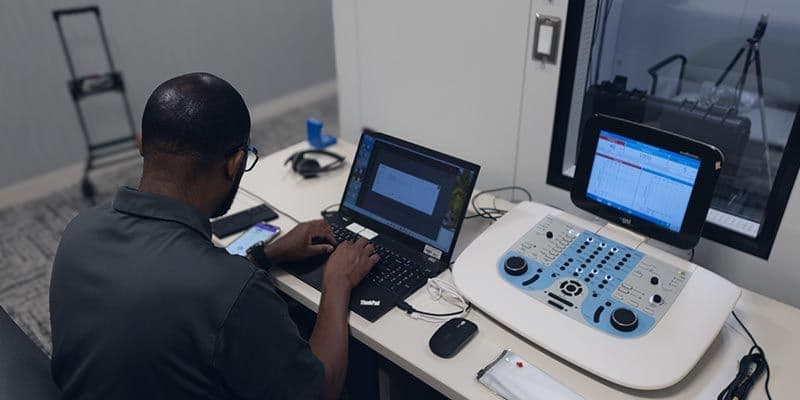
To create accurate and effective treatment plans, clinicians rely on precise diagnostic tools. e3 Diagnostics supports this process by providing advanced vestibular diagnostic equipment that helps therapists evaluate balance function, identify causes of dizziness, and track progress throughout rehabilitation.

Benefit #1 – Improves Balance and Coordination

One of the most important benefits of vestibular therapy is improving balance and coordination. Repetitive balance and gaze stabilization exercises train the brain to adapt to motion and enhance postural control.

Therapists often use techniques like balance boards, tandem walking, and head-turn exercises to build proprioception and stability during movement. These exercises reduce fall risk and improve overall mobility in daily life.

With balance assessment systems from e3 Diagnostics, clinicians can objectively measure patient performance and adjust treatment programs based on real data—helping patients achieve better long-term outcomes.

Virtualis offers a cutting-edge virtual reality solution for both rehabilitation and functional assessment. Its ability to adapt therapy sessions in real time using precise, objective data enables therapists to create individualized programs that enhance patient motivation and engagement.
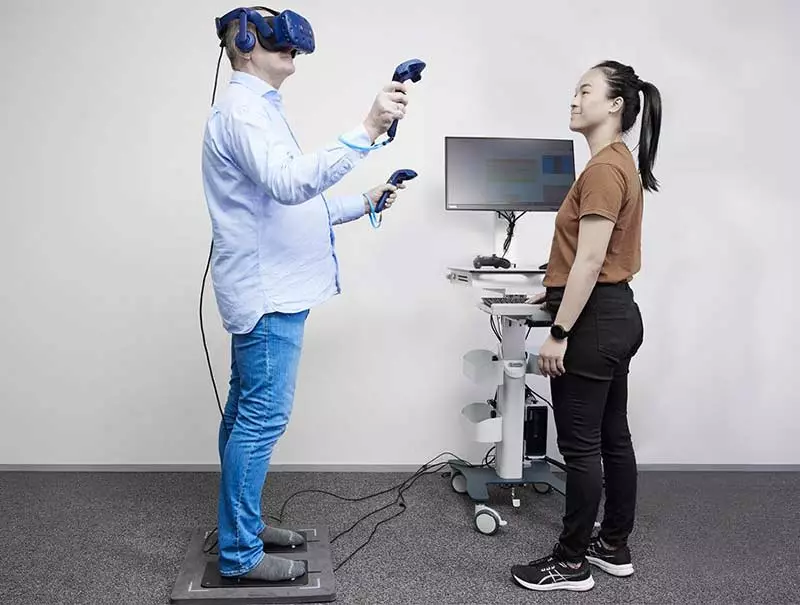

Virtualis Static VR

Benefit #2 – Reduces Dizziness and Vertigo

Another major benefit of vestibular therapy is its ability to alleviate dizziness and vertigo. These symptoms often occur when the brain receives conflicting information from the vestibular system and visual input. VRT retrains the brain through exercises that promote sensory adaptation and reduce motion sensitivity. Techniques like habituation and gaze stabilization help patients desensitize to movement triggers and regain control.

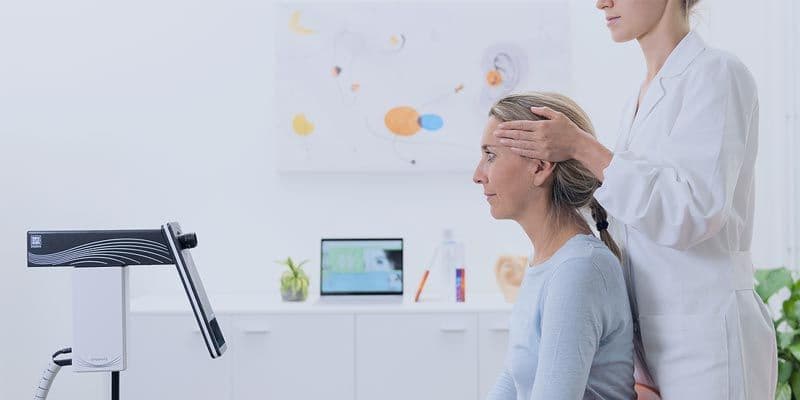
For accurate diagnosis, therapists rely on tools such as Videonystagmography (VNG) and rotary chair systems, both available through e3 Diagnostics. These technologies identify specific vestibular deficits and help clinicians tailor therapy plans more precisely to each patient’s needs.

Benefit #3 – Accelerates Recovery After Injury or Illness

Vestibular therapy also helps patients recover more quickly from concussions, inner ear infections, or neurological events like strokes. By promoting neuroplasticity, therapy encourages the brain to rebuild and strengthen neural connections responsible for balance and spatial orientation.

Patients recovering from concussions, vestibular neuritis, or stroke often experience faster improvements in equilibrium and coordination with structured VRT programs. With objective vestibular testing equipment from e3 Diagnostics, clinicians can personalize recovery plans and track measurable progress, ensuring patients regain stability and confidence safely.

Benefit #4 – Boosts Confidence and Quality of Life

Improved stability brings more than physical benefits—it also enhances emotional well-being. One of the most rewarding benefits of vestibular therapy is helping patients regain independence and reduce their fear of falling.

As dizziness decreases, many return to daily activities like driving, walking, and exercising. This renewed confidence often leads to reduced anxiety, improved mood, and a greater overall quality of life.

By combining skilled therapy with reliable diagnostic equipment from e3 Diagnostics, clinicians can help patients move forward with confidence and independence.

Benefit #5 – Prevents Future Falls and Long-Term Balance Issues

The long-term benefits of vestibular therapy include preventing future balance problems and reducing the risk of falls. Strengthening the vestibular system helps patients maintain mobility and stability well into the future.

Fall prevention programs that incorporate vestibular rehabilitation are especially valuable for seniors and individuals with chronic balance conditions.

Using posturography simulators and balance assessment systems from e3 Diagnostics, therapists can continuously monitor fall risk, assess improvements, and document outcomes with precision.

How e3 Diagnostics Supports Vestibular Therapy Professionals

At e3 Diagnostics, we’re dedicated to supporting physical therapists and balance specialists with advanced vestibular therapy equipment and reliable service. Our portfolio includes VNG systems, rotary chairs, computerized dynamic posturagraphy with VR, and other cutting-edge tools that empower clinicians to deliver accurate, effective vestibular rehabilitation.

By partnering with e3 Diagnostics, physical therapy and balance clinics can enhance diagnostic precision, streamline workflows, and improve patient outcomes.

Ready to take your vestibular practice to the next level? Explore our vestibular therapy equipment or contact your local e3 Diagnostics office today to learn more.