Virtual Reality Physical Therapy Benefits with Virtualis
In the competitive landscape of physical therapy, staying ahead of the curve is not just an advantage; it’s a necessity. With clinics competing for market share, innovative technologies like Virtualis VR can be the gamechanger that sets your practice apart.
Virtual reality physical therapy is rapidly emerging as one of the most impactful tools in modern rehabilitation, helping PTs deliver more engaging, measurable, and effective care. This blog explores the benefits of adding Virtualis VR to your physical therapy practice and how it can support better patient outcomes, stronger retention, and clinic differentiation.
What Is Virtual Reality Physical Therapy?
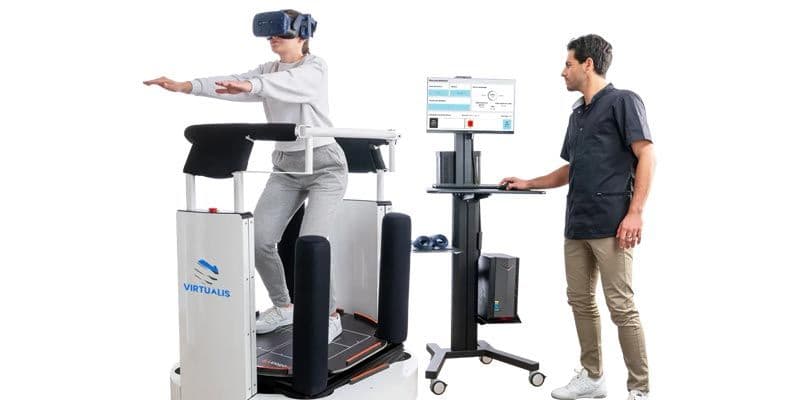
Virtual reality physical therapy uses immersive VR technology to deliver rehabilitation exercises in a controlled, interactive environment. Patients perform balance, vestibular, and functional movement tasks within a simulated setting, while clinicians receive real-time objective data on patient performance.
Solutions like Virtualis VR allow physical therapists to:
- Deliver evidence-based rehabilitation in a structured virtual environment
- Track patient progress with objective performance data
- Personalize treatment plans based on real-time feedback
- Provide engaging therapy experiences that improve adherence
This combination of immersion, measurement, and personalization is what makes VR physical therapy such a powerful clinical tool.
Key Benefits of Virtual Reality Physical Therapy
Virtualis VR brings several distinct benefits to physical therapy practices, supporting both clinical outcomes and business growth.
1. Objective Data for Evidence-Based Care
One of Virtualis’s key strengths lies in its ability to provide objective data, empowering physical therapists with valuable insights into their patients’ progress and performance.
This data is instrumental in tracking improvements over time and allows therapists to tailor treatment plans based on real-time, data-driven feedback. The shift from subjective observation to objective measurement represents a paradigm shift in physical therapy, aligning it more closely with evidence-based practice and enhancing patient care outcomes.
Clinically, this means:
- Easier progress tracking across sessions
- Stronger documentation for insurance and referrals
- More accurate goal setting and treatment planning
- Better communication of progress to patients and referring providers
2. Improved Patient Retention
Virtualis offers an engaging and invaluable tool for physical therapists, especially when it comes to patient retention. By providing objective data, therapists can visually display a patient’s progress, motivating them, and reinforcing the value of continued therapy sessions.
Offering this innovative style of therapy also helps prevent appointment cancellations and distinguishes your clinic in the eyes of referring physicians and audiologists. It showcases your practice as forward-thinking, patient-centered, and committed to delivering an exceptional rehab experience.
3. Increased Patient Engagement and Motivation
Virtualis VR therapy offers an immersive experience that makes rehabilitation more enjoyable and motivating for patients. The use of real-time objective data fosters a sense of achievement and boosts confidence in the therapy process.
Customizable treatments tailored to each patient’s needs enhance:
- Patient involvement
- Commitment to the therapy plan
- Likelihood of achieving better outcomes
Patients who are engaged and motivated typically progress faster and complete their full course of therapy, which benefits both clinical outcomes and clinic performance.
4. A Competitive Advantage for Your PT Practice
Beyond clinical benefits, VR physical therapy positions your clinic as a leader in modern rehabilitation. As more patients and referral sources look for advanced, technology-driven care, offering Virtualis VR can help your practice:
- Stand out in a competitive local market
- Attract new patients seeking modern rehabilitation options
- Strengthen relationships with referring physicians and audiologists
- Build a reputation for innovation and quality outcomes
The Virtualis Story: Born from Clinical Experience
Frank Assaban, the visionary behind Virtualis, is a licensed physical therapist based in France. Assaban’s own battle with motion sickness during his pursuit of scuba diving inspired the creation of Virtualis. Seeking a solution, he turned to virtual reality as an experimental remedy and successfully alleviated his symptoms.
Recognizing the potential of this groundbreaking technology, Assaban decided to extend its benefits to his patients. In 2015, the official founding of Virtualis marked the beginning of a new era in physical therapy, one rooted in clinical experience and patient-centered innovation.
By embracing virtual reality therapy, physical therapists can position their clinics as pioneers in the field, attracting and retaining patients through innovation, engagement, and exceptional care.
How Virtualis VR Supports Different Areas of Rehabilitation
Virtualis VR is designed to support a wide range of rehabilitation needs, especially in balance, vestibular, and functional movement therapy. The product family includes solutions tailored to different clinical applications:
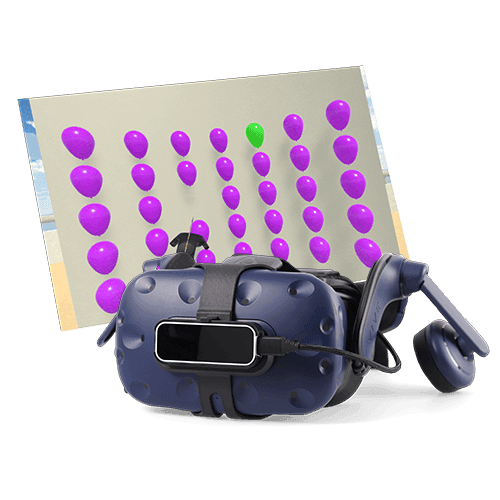
- PhysioVR for functional rehabilitation
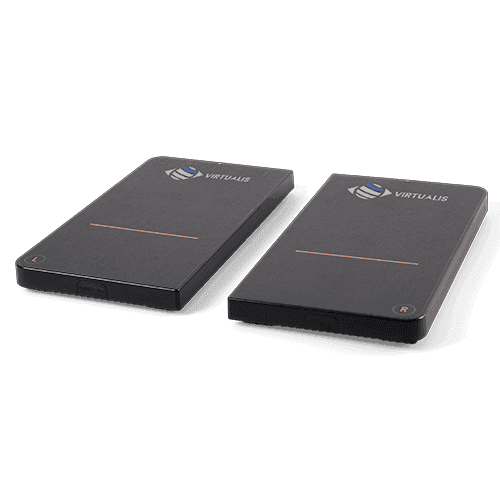
- StaticVR for static balance assessment and training
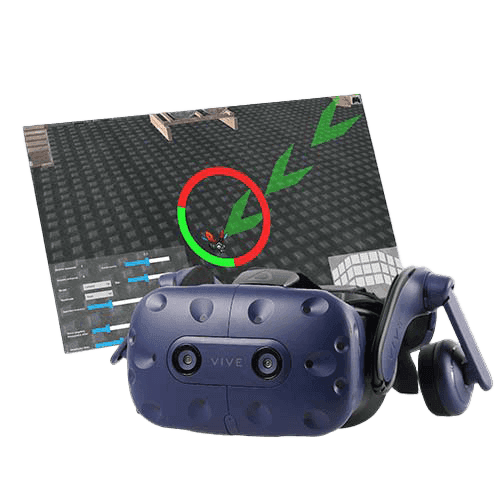
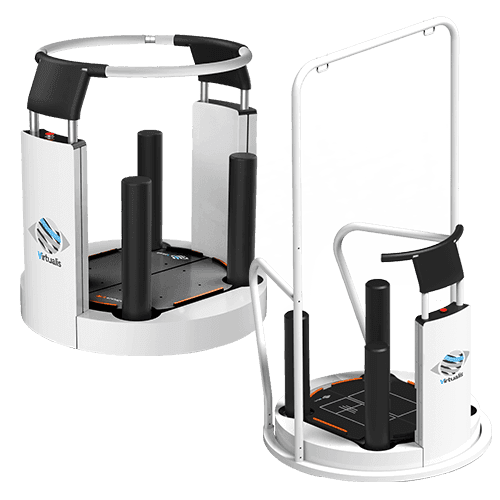
- BalanceVR for dynamic balance therapy
This flexibility allows PT practices to scale VR adoption based on their patient population and clinical goals.
Frequently Asked Questions About Virtual Reality Physical Therapy
What conditions can virtual reality physical therapy help treat?
VR physical therapy is commonly used for balance disorders, vestibular dysfunction, fall prevention, orthopedic rehabilitation, neurological rehab, and motion-related symptoms.
Is virtual reality therapy supported by clinical evidence?
Yes. VR therapy is increasingly supported by research showing improvements in engagement, motor function, balance, and patient adherence when combined with traditional PT.
Do patients need experience with VR to benefit from this therapy?
No. Virtualis VR is designed to be intuitive and clinician-guided, making it accessible to patients of all ages and technology comfort levels.
How does VR therapy improve patient outcomes?
By combining immersive experiences, objective data, and customizable exercises, VR therapy enhances motivation, adherence, and measurable progress, all of which contribute to better outcomes.
Can VR physical therapy help differentiate my clinic?
Yes. Offering VR rehabilitation positions your practice as innovative and patient-focused, helping attract new patients and strengthen referral relationships.
Bring Virtual Reality Physical Therapy to Your Practice
Interested in incorporating virtual reality into your physical therapy practice? Contact your nearby e3 Diagnostics location for expert guidance today.
Explore Virtualis Solutions
• PhysioVR
• StaticVR
• BalanceVR
Other Good Reads: VR Physical Therapy: Research Insights